

The Supreme Court on Monday rejected an appeal from Ghislaine Maxwell, the longtime associate of Jeffrey Epstein, leaving in place her 20-year prison sentence for recruiting and grooming underage girls who were sexually abused by the disgraced financier.
Maxwell’s legal team had asked the Court to review whether she should have been shielded from prosecution under a 2008 non-prosecution agreement Epstein struck with federal prosecutors in Florida.
That agreement, approved by then–U.S. Attorney Alex Acosta, protected Epstein and certain “potential co-conspirators” from further charges in that district.
Maxwell argued that the immunity should have extended to her case in New York, where she was later convicted on three counts related to sex trafficking and conspiracy.
Her attorney, David Oscar Markus, said in a statement, “We’re deeply disappointed that the Supreme Court declined to hear Ghislaine Maxwell’s case. But this fight isn’t over. Serious legal and factual issues remain, and we will continue to pursue every avenue available to ensure that justice is done.”
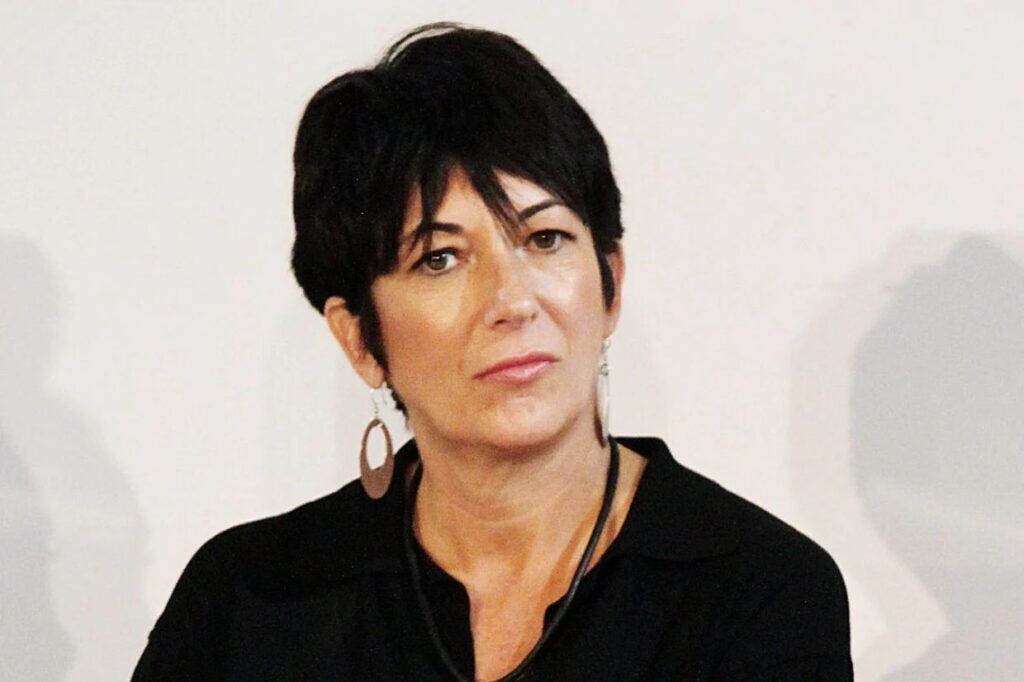
Court Rejects Broader Interpretation of Epstein Deal
The Justice Department opposed Maxwell’s petition, arguing that the Florida plea deal was limited to that district and did not bind prosecutors elsewhere. Solicitor General D. John Sauer told the Court that any nationwide application would have required approval from senior DOJ officials—something that never occurred.
The 2nd U.S. Circuit Court of Appeals previously upheld Maxwell’s conviction, finding she “was not a party to the relevant agreement.” The Supreme Court’s decision not to take up the case effectively ends her appeal on those grounds.
Epstein’s Death and Ongoing Controversy
Epstein pleaded guilty in 2008 to state-level prostitution charges and was later indicted on federal sex trafficking counts in 2019 before dying by suicide in jail a month later—a conclusion that has fueled years of public skepticism and conspiracy theories.
In recent months, the Justice Department and FBI reiterated that there is no secret “client list” or evidence Epstein was blackmailing prominent figures, and that his death was conclusively ruled a suicide.
Those findings have drawn mixed reactions, including from some conservatives who have demanded more transparency around the case.
Maxwell has maintained she was wrongly prosecuted, denying she witnessed any misconduct involving Epstein’s acquaintances, including former President Donald Trump.
The Justice Department confirmed that she met this summer with Deputy Attorney General Todd Blanche—formerly one of Trump’s personal lawyers—before being transferred to a minimum-security prison camp in Texas.

What’s Next for Maxwell
Now 63, Maxwell remains incarcerated and is serving her sentence for what prosecutors described as “a years-long scheme to exploit and abuse young girls.” While her legal avenues continue to narrow, her defense team insists they will pursue other potential challenges.
For the families of Epstein’s victims, the Court’s decision closes yet another chapter in a case that has spanned decades and exposed the failure of powerful institutions to hold the wealthy accountable.
Leave a Reply